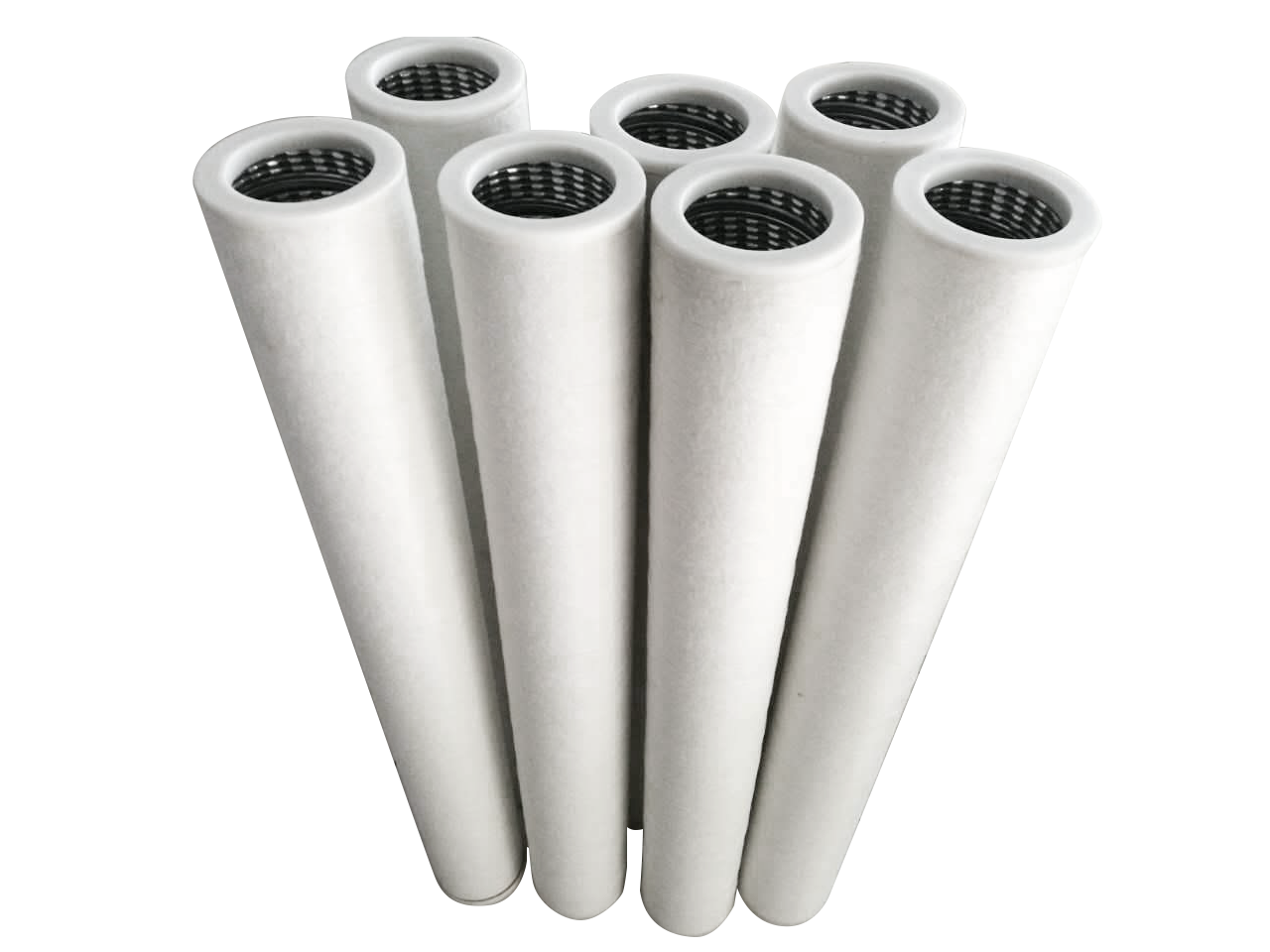
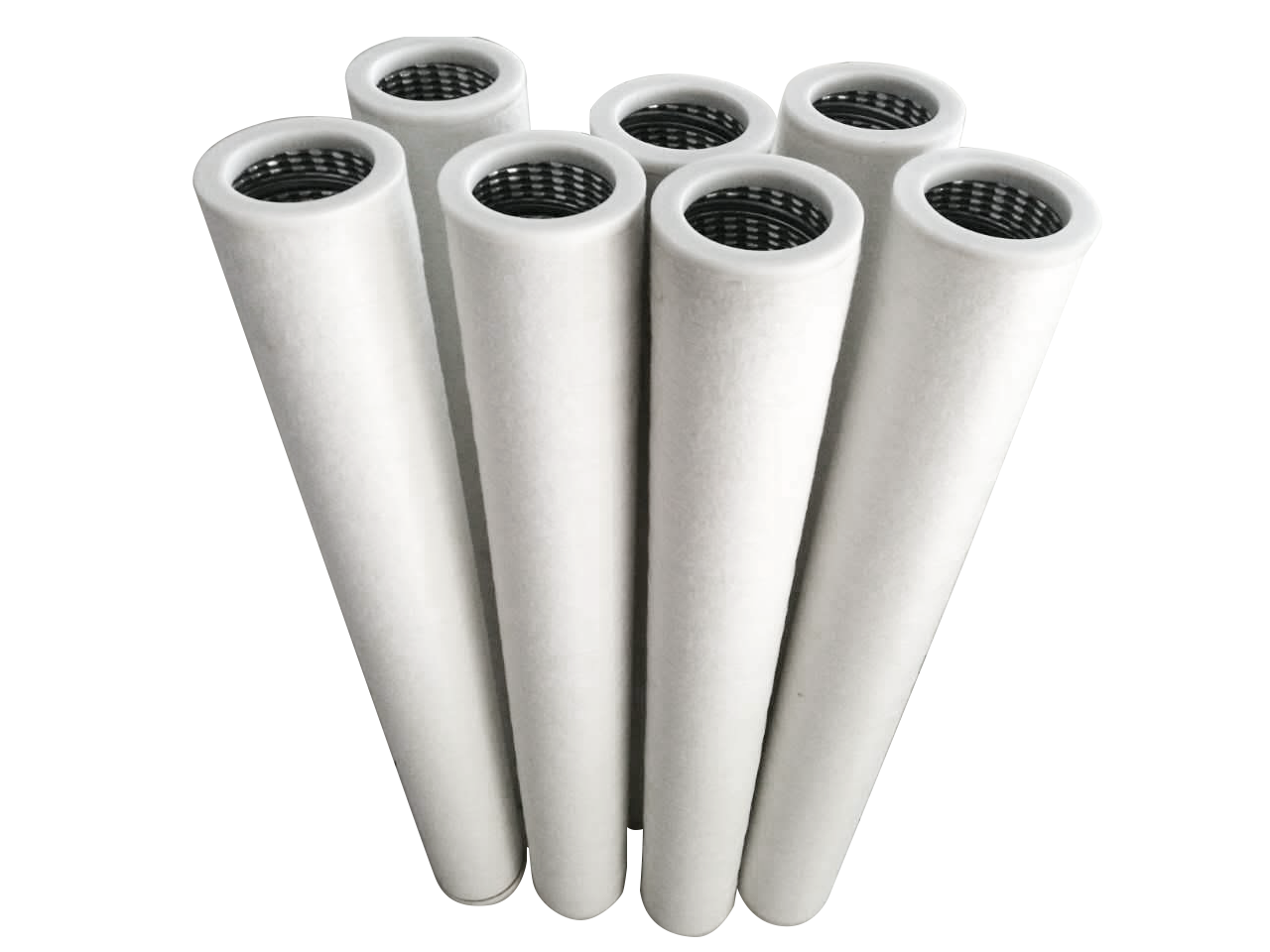
Product Introduction
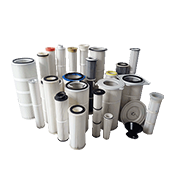
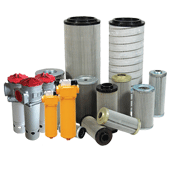
The Aviation Filter represents a cornerstone in aviation safety, specifically designed to maintain the integrity of aviation fuel. These filters are engineered to efficiently remove water, particulates, and contaminants, ensuring that only the purest fuel enters an aircraft's engines. From the earliest days of aviation to the modern era, these filters have played a pivotal role in safeguarding flights and passengers.

Application Scenarios
Aviation Filters find application in a wide range of critical scenarios within the aviation industry:
1. Aviation Fuel Filtration: In aviation, where safety is non-negotiable, these filters ensure the purity and safety of aviation fuel. They effectively remove water, particulates, and contaminants that could jeopardize aircraft engine performance and, consequently, passenger safety.
2. Airport Fueling Systems: Aviation filters are integrated into airport fueling systems to prevent water and impurities from entering aircraft during the refueling process, guaranteeing the quality of fuel transferred.
3. Aircraft Fuel Tanks: Within the aircraft itself, these filters are employed to maintain fuel purity during storage and transportation, reducing the risk of engine malfunctions due to contamination.
4. Ground Support Equipment: Aviation filters are also utilized in ground support equipment, such as fuel trucks, ensuring that the fuel delivered to aircraft remains pristine.

Product Advantages
The widespread adoption of Aviation Filters can be attributed to their numerous advantages:
1. Precision Filtration: These filters offer exceptional filtration efficiency, effectively removing even the smallest particles and water droplets, ensuring the integrity of aircraft engines and systems.
2. Enhanced Safety: By maintaining fuel purity, aviation filters contribute to safer flights, reducing the risk of engine failures and in-flight emergencies.
3. Reliability: Aviation filters are designed for reliability, ensuring uninterrupted operation and minimizing downtime—a crucial aspect of aviation operations.
4. Environmental Responsibility: These filters aid in environmental responsibility by preventing contamination and reducing fuel waste, aligning with the aviation industry's commitment to sustainability.

Working Principles
Aviation Filters operate on the principles of mechanical filtration, employing various mechanisms to purify aviation fuel:
1. Coalescence: Some aviation filters utilize coalescence, a phenomenon that causes tiny water droplets to merge into larger ones, facilitating efficient water removal.
2. Depth Filtration: Multiple layers of filtration media trap particles of varying sizes, ensuring comprehensive particulate removal.
3. Adsorption: In certain applications, adsorption media are incorporated into the filters to capture specific contaminants like oil and grease, further enhancing fuel purity.

Future Development
The future of Aviation Filters holds exciting potential, with ongoing research and development efforts focused on several key areas:
1. Advanced Materials: Continuous advancements in filtration media and technology will result in even higher filtration efficiency, catering to the evolving needs of the aviation industry.
2. IoT Integration: Smart filtration systems, integrated with the Internet of Things (IoT), will enable real-time monitoring and predictive maintenance, reducing operational costs and enhancing reliability.
3. Sustainability Initiatives: Aviation filters will continue to play a vital role in supporting sustainability initiatives by minimizing fuel waste and promoting responsible aviation practices.

In conclusion, Aviation Filters have emerged as unsung heroes in the world of aviation, where precision, reliability, and environmental responsibility converge. Their numerous advantages, diverse applications, and ongoing advancements make them an indispensable asset in the aviation industry. As aviation continues to advance, these filters will remain at the forefront, ensuring that aviation fuel meets the highest standards of quality and safety.