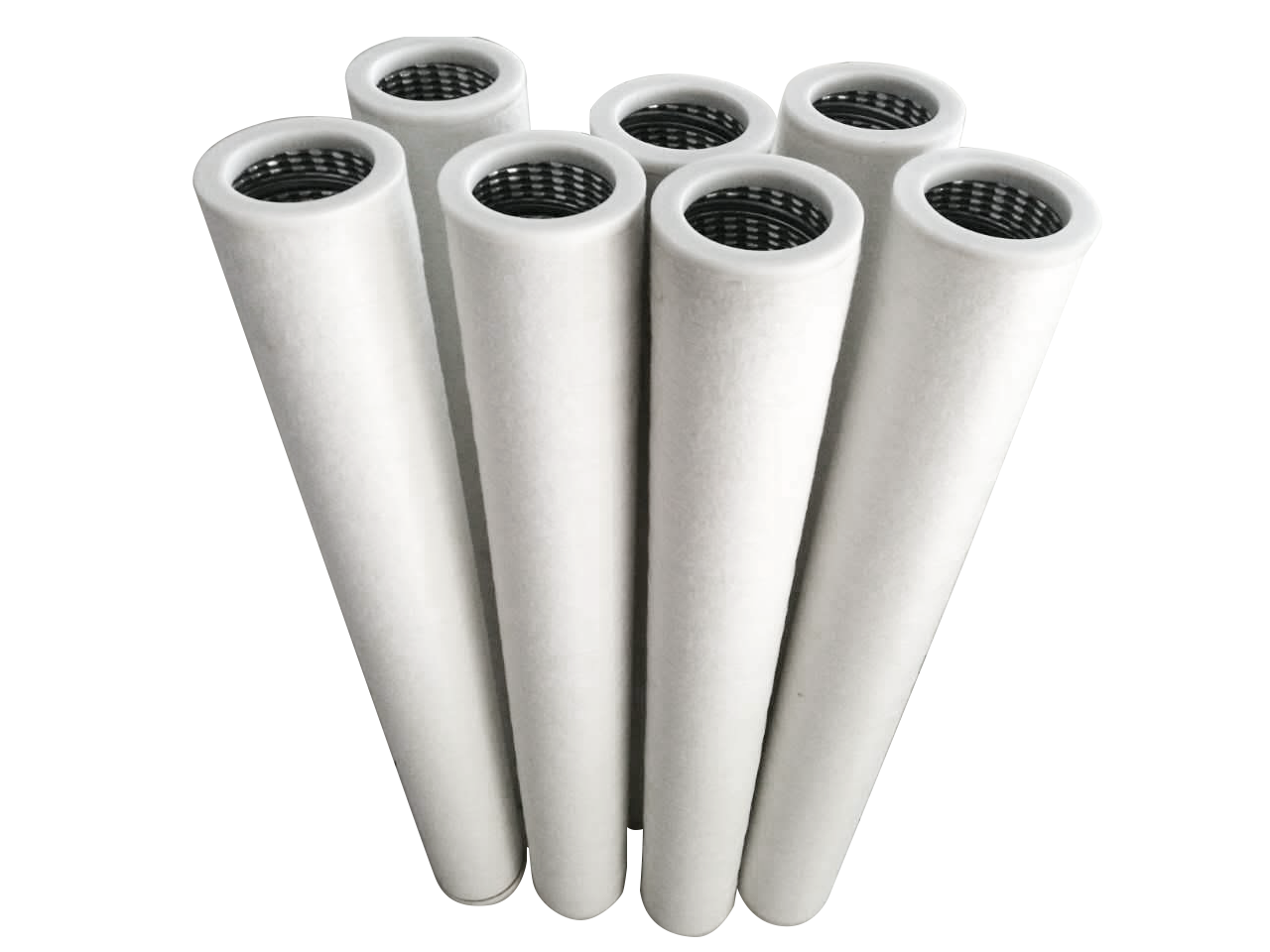
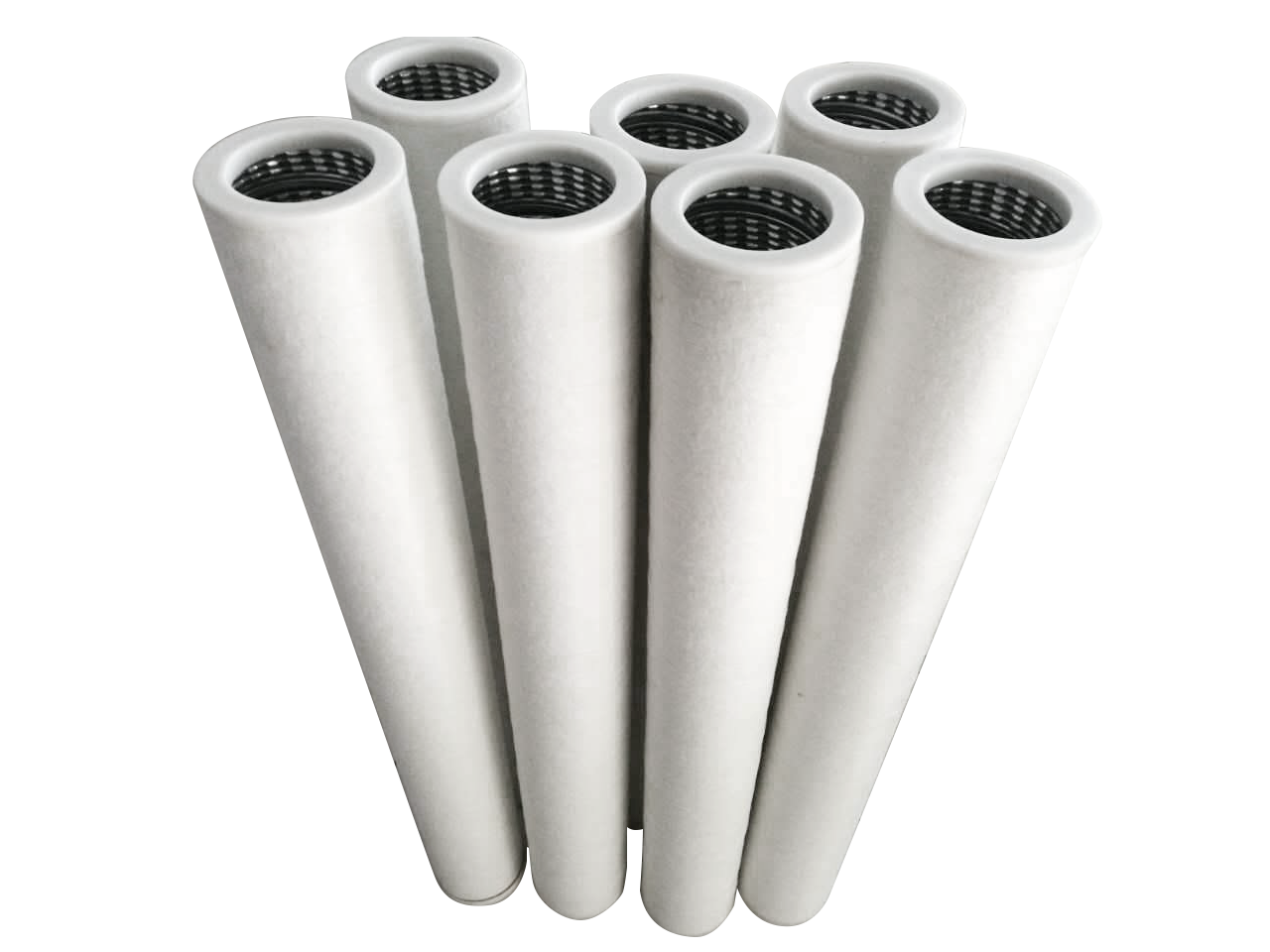
Navigating the Natural Gas Filtration Landscape: Key Elements and Manufacturers
The natural gas industry has become a pivotal player in the global energy transition, offering a cleaner alternative to traditional fossil fuels. Yet, to harness its potential effectively and ensure safe, efficient operations, natural gas must undergo rigorous filtration. In this comprehensive exploration, we delve into the intricacies of natural gas filter elements, Coalescing filter elements, and Coalescing dehydration filter elements. Furthermore, we shine a spotlight on the innovative contributions of leading coalescing filter manufacturers in this dynamic field.

Natural Gas Filter Elements: Guardians of Gas Purity
Understanding Their Role
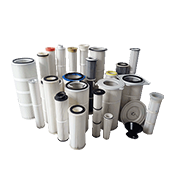
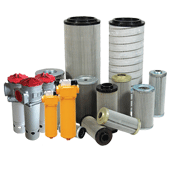
Natural gas, while environmentally advantageous, often contains impurities that must be removed before it can be used safely and efficiently. Natural gas filter elements play a crucial role as the first line of defense in the purification process.

These filter elements primarily serve to:
Capture Contaminants: They trap and remove larger particulate matter, such as dust, rust, and solid debris, which can damage equipment and compromise gas quality.
Prevent Equipment Damage: By preventing contaminants from reaching sensitive components like compressors and pipelines, these filters help extend the lifespan of equipment and reduce maintenance costs.

Materials and Innovations
Over the years, there have been significant advancements in the design and materials used in natural gas filter elements:
Advanced Materials: Traditional filter materials have given way to more advanced options, such as synthetic fibers and specialized ceramics. These materials offer improved filtration efficiency and longer service life.
Enhanced Filtration Efficiency: Ongoing research and development efforts have led to filters with finer micron ratings, enabling them to capture even smaller particles effectively.

Coalescing Filter Elements: Precision Filtration for Natural Gas
The Coalescing Principle
As natural gas continues its journey toward purity, it encounters a second line of defense: Coalescing filter elements.
These specialized filters excel in:
Liquid Removal: Coalescing filters are designed to detect and merge minute liquid droplets suspended in the gas stream. By merging these tiny droplets into larger ones, the filters facilitate their separation from the gas.
Efficiency Improvement: By preventing liquid carryover, these filters contribute to the overall efficiency and performance of natural gas systems, ensuring reliable operations.

Coalescing Dehydration Filter Elements: Battling Moisture in Natural Gas
Taming the Moisture Challenge
One often-overlooked challenge in natural gas processing is moisture management. Coalescing dehydration filter elements address this critical issue.
Here's why they matter:
Moisture Consequences: Uncontrolled moisture in natural gas can lead to the formation of hydrates, icy deposits that can block pipelines and disrupt operations.

Efficient Dehydration: Coalescing dehydration filters specialize in removing water vapor from the gas stream, ensuring uninterrupted gas flow and the prevention of hydrate formation.
Coalescing Filter Manufacturers: Pioneers of Progress
At the heart of these filtration technologies are innovative coalescing filter manufacturers, constantly pushing the boundaries of what is possible.

Their contributions include:
Cutting-Edge Research: Leading manufacturers invest heavily in research and development to create filters that offer superior performance, efficiency, and longevity.
Customized Solutions: Recognizing that filtration needs can vary widely across industries and applications, these manufacturers offer tailored solutions to meet specific operational demands.
Environmental Responsibility: Beyond commercial success, many filter manufacturers are dedicated to reducing the environmental footprint of filtration processes, contributing to a more sustainable future.

The Future of Natural Gas Filtration
As we peer into the future of natural gas filtration, several trends and possibilities emerge:
Smart Filters: The integration of Artificial Intelligence (AI) into filtration systems is on the horizon. Smart filters could monitor their own performance, issue maintenance alerts, and even perform self-repairs, enhancing overall system reliability.
Collaborative Innovation: The future may witness increased collaboration between academia, industry experts, and coalescing filter manufacturers. This collaboration has the potential to drive innovations that make filtration processes more adaptable, efficient, and eco-friendly.
Conclusion: A Cleaner, More Efficient Energy Future
As the world seeks cleaner and more sustainable energy solutions, the role of natural gas becomes increasingly important. Effective filtration, led by natural gas filter elements, coalescing filter elements, and coalescing dehydration filter elements, ensures that this resource is harnessed safely and efficiently.

The pioneering work of coalescing filter manufacturers in advancing filtration technology is at the forefront of this transformative journey. With ongoing research, innovative solutions, and a commitment to environmental responsibility, they are helping shape a future where natural gas is a cleaner and more reliable energy source. In this evolving landscape, the collaboration between industry leaders and innovators promises to drive progress in natural gas filtration, making it an integral part of our cleaner and more sustainable energy future.