As the world grapples with the necessity of clean water for various applications, the importance of efficient water filtration systems cannot be overstated. Among the forerunners in this realm are high volume filter housing and high volume reverse osmosis systems. This article delves into these game-changing innovations, providing a comprehensive understanding of their structure, applications, advantages, and operation.

Product Introduction
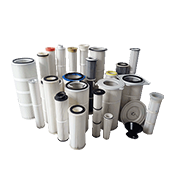
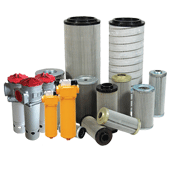
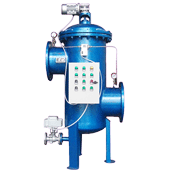
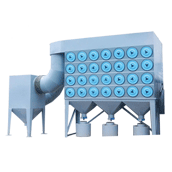
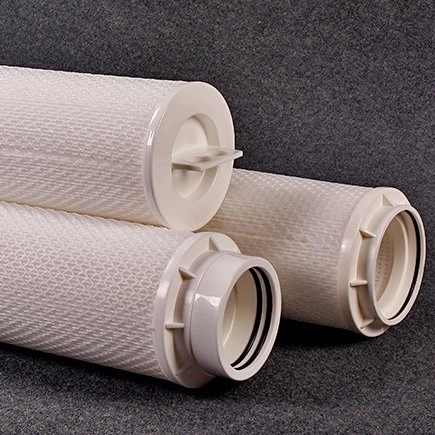
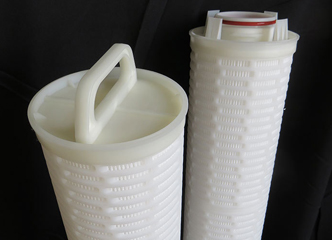
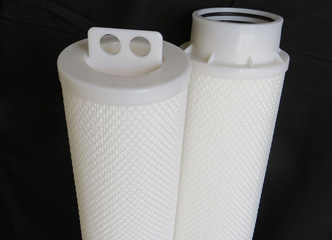
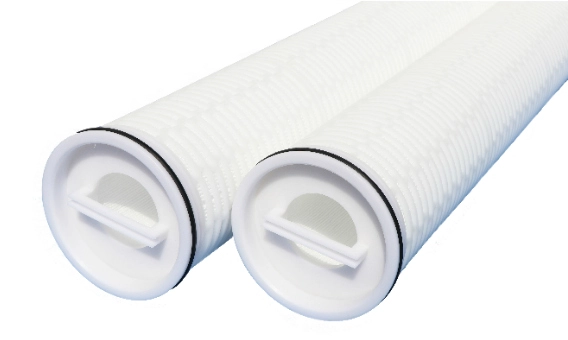
High Volume Filter Housing: These are large-capacity filter systems designed to handle significant water volumes efficiently. Constructed with robust materials, these housing units can accommodate multiple filter cartridges, enabling efficient, simultaneous filtration.
High Volume Reverse Osmosis (RO) Systems: These technologically advanced systems cater to high-demand applications where extensive water purification is required. Using the principle of reverse osmosis, these systems are capable of removing up to 99% of waterborne contaminants, delivering pure water on a large scale.

Application Scenarios
High Volume Filter Housing: Ideal for both commercial and industrial applications, high volume filter housings play a critical role in water treatment plants, manufacturing facilities, food and beverage industries, and other sectors where large quantities of filtered water are essential.
High Volume Reverse Osmosis Systems: Predominantly used in sectors that require high purity water, such as pharmaceuticals, electronics manufacturing, and power generation, these systems also find use in large-scale desalination plants and wastewater treatment facilities.

Product Advantages
High Volume Filter Housing: These units offer high flow rates and longevity, thanks to their large-capacity design. They often feature easy-to-operate, low-maintenance designs, offering hassle-free filter changes. Moreover, their adaptability to accommodate various filter types adds to their versatility.
High Volume Reverse Osmosis Systems: These systems provide exceptional water purity levels, removing both macro and micro-contaminants. Their scalable design allows for customization according to water quality and flow rate requirements, making them a cost-effective solution for many industries.

Working Principles
High Volume Filter Housing: In these systems, water enters the housing and flows through the installed filters. Contaminants are trapped within the filter media, allowing clean, filtered water to pass through. The scale of high volume filter housing facilitates extensive filtration in a single pass, enhancing the system's efficiency.
High Volume Reverse Osmosis Systems: These systems work by applying pressure to the feed water, forcing it through a semi-permeable membrane. This process effectively separates contaminants from the water, resulting in pure, clean water on the other side of the membrane.
Technical parameters

Specification

Enhanced Efficiency and Sustainability
The future of high volume filter housing and high volume reverse osmosis systems will pivot on enhancing efficiency. We foresee these systems employing advanced materials and designs that will enable greater flow rates and improved filtration performance. More efficient systems will provide cleaner water in shorter timespans, enhancing the overall productivity of industries that depend on them.
Additionally, sustainable and eco-friendly practices will steer the developmental course. Improved designs may incorporate materials that are more recyclable or biodegradable, aligning these systems with global sustainability goals.

Smarter Systems with Integrated IoT
The integration of Internet of Things (IoT) technology in water filtration is a promising avenue. IoT can enable real-time monitoring and predictive maintenance, thus ensuring the high volume filter housing and RO systems are always at their peak performance. Alerts about filter changes or potential malfunctions can be predicted and addressed, leading to increased operational efficiency and reduced downtime.

3. Customization and Modularity
As industries grow and evolve, so too will their filtration needs. The future may hold more modular and customizable high volume filter housing and RO systems that can be easily scaled up or down based on the user's requirements. This flexibility will cater to diverse industrial needs while ensuring cost-effectiveness.
4. Advanced Membrane Technologies
The membrane is the heart of an RO system. Future development will likely see new membrane materials and designs that can remove an even broader range of contaminants, enhancing the water quality produced by high volume reverse osmosis systems. Nanotechnology may play a significant role in developing membranes with superior filtration capabilities.

5. Energy-efficient Designs
Energy efficiency is another area poised for development. Future high volume RO systems may utilize innovative energy recovery devices to reduce the overall energy consumption of the system, making the process more eco-friendly and cost-effective.
The future of high volume filter housing and high volume reverse osmosis systems is undoubtedly exciting. As technology advances, these systems will continue to evolve, providing more efficient, sustainable, and intelligent solutions for large-scale water purification needs. By striking a balance between innovation and sustainability, these systems will continue to play a crucial role in fostering a future where clean, purified water is abundantly available.

FAQ
Q: How is the performance of a high flow filter element measured?
A: The performance of a high flow filter element is typically measured by its filtration efficiency (the percentage of particles of a certain size it can remove), its pressure drop (the decrease in pressure as fluid flows through it), and its flow rate.
Q: How do I troubleshoot issues with my high flow filter system?
A: Troubleshooting steps can vary depending on the specific issue, but common steps include checking for clogs or damage in the filter element, ensuring the filter is properly installed and seated in the housing, and checking the system's pressure and flow rates.
Q: How are high flow filter elements packaged and stored before use?
A: High flow filter elements are typically sealed in plastic to prevent contamination before use. They should be stored in a cool, dry place away from direct sunlight.