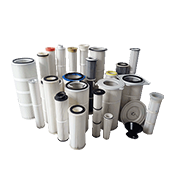
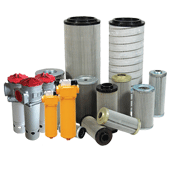
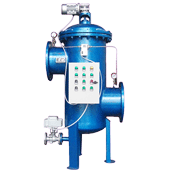
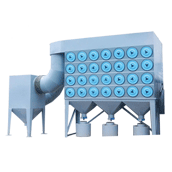
Product Introduction
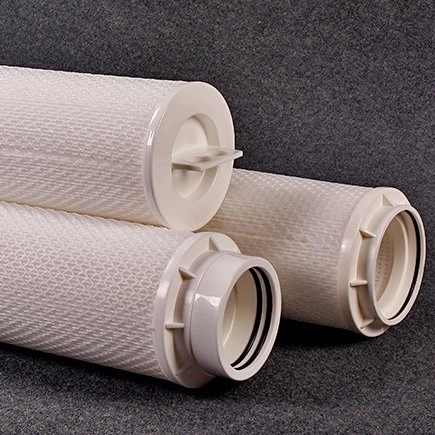
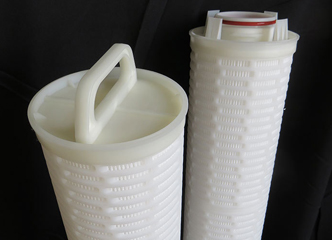
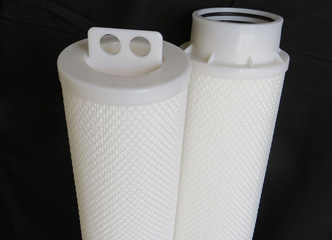
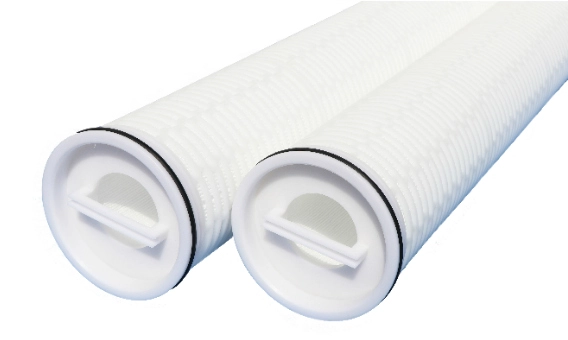
The Pentair High Flow Filter and Parker High Flow Filter are at the forefront of the filtration industry, offering high-performance solutions for diverse applications. With a keen focus on quality, durability, and efficiency, both these filters offer unique advantages to users. The precision engineering behind these products underlines the commitment of their manufacturers to provide solutions that effectively address the unique challenges faced in the filtration sector.

Technical Parameters
| Filter Media | Polypropylene(PP).Glass Fiber |
| Length | 20"(508mmm), 40''(1016mm), 60"(1524mm) |
| Outside Diammeter | 6 inch (152mm) |
| Filtration direction | From inside to outside |
| Filtration Rating | lμm, 2μm, 3μm, 5μm,10μm, 20μm, 40μm, 70μm,100μm |
| Support Core | Polypropylene(PP) |
| End Cap Material | Glass fiber reinforced Polypropylene (PP) |
| Outside | Rigid Hard Cage, Belt, Stainless Steel(special) |
| Seal Material | EPDM, Buna-N,Viton |
| Maximum Operating Temperature | Pleated glass fiber:121°C , Pleated PP: 82°C, Melt Blown PP: 65°C |
| Maximum Differential Pressure | Pleated glass fber:3.4 Bar at 121°C, Pleated PP:3.Bar at 82°C, Melt Blown:1.03Bar at 65°C |
| Recommended Change out Differential Pressure | 2.5Bar at 20°C |
Application Scenarios
These high flow filters find a broad spectrum of applications across numerous industries. The Pentair High Flow Filter, with its exceptional particulate-holding capacity, is particularly useful in the beverage industry, swimming pool filtration, aquaculture, and other applications where large volumes of water need to be filtered rapidly.
On the other hand, the Parker High Flow Filter's high efficiency and durability make it a favorite in heavy industries such as oil and gas, power generation, and chemical processing. Its ability to withstand harsh operating conditions while delivering optimal filtration performance is a key factor in its widespread use.

Product Advantages
Among the many advantages offered by the Pentair High Flow Filter and Parker High Flow Filter, their high flow rates, combined with excellent filtration efficiency, are noteworthy. They ensure swift and thorough filtration, thus significantly reducing processing time.
Both products also boast long lifespans, with high-quality materials and solid construction contributing to their robustness and durability. This longevity, coupled with their low maintenance requirements, makes them a cost-effective choice for many industries.

Working Principles
The operational principles behind the Pentair High Flow Filter and Parker High Flow Filter are rooted in advanced filtration technology. They utilize pleated filter media to maximize surface area, thereby increasing both filter life and contaminant capture.
The Parker High Flow Filter operates on a differential pressure mechanism, where the unfiltered fluid enters one side, and the pressure difference across the filter drives the fluid through the filter media. The contaminants get trapped on the surface, and only clean fluid exits the filter.
The Pentair High Flow Filter, on the other hand, employs depth filtration. The fluid permeates through the filter's entire depth, and contaminants are captured throughout the filter media.

Conclusion
In conclusion, both the Pentair High Flow Filter and the Parker High Flow Filter are leading players in the filtration industry, leveraging state-of-the-art technology to offer high-quality filtration solutions. As the demand for efficient, reliable, and cost-effective filtration systems continues to grow, these high flow filters are well-positioned to meet and exceed these expectations.

FAQ
Q: What is a nominal-rated high flow filter element?
A: A nominal-rated high flow filter element is designed to capture a certain percentage of particles of a specified size. The exact percentage can vary by manufacturer.
Q: What is an absolute-rated high flow filter element?
A: An absolute-rated high flow filter element has a defined pore size and is designed to capture nearly 100% of particles of a specified size.