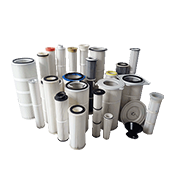
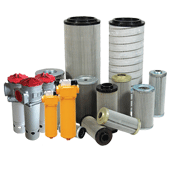
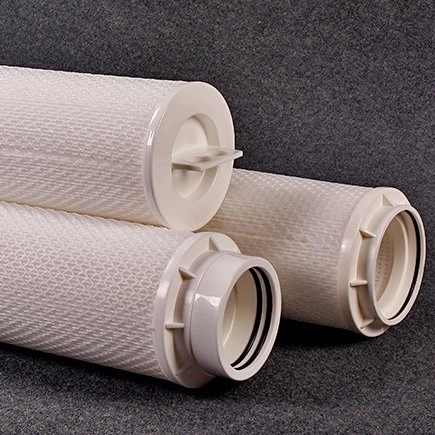
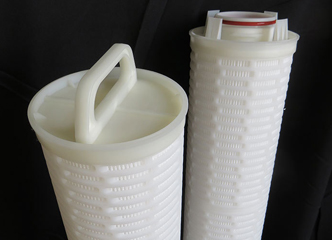
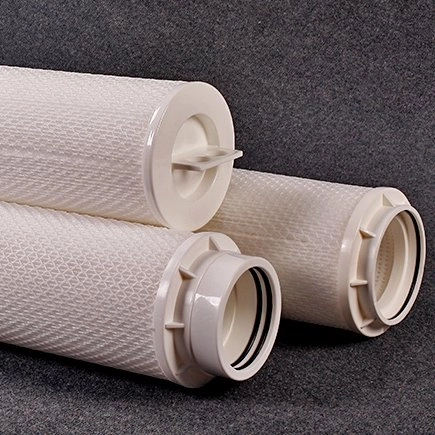
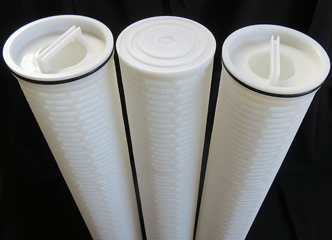
Dedicated to transforming the water purification industry, Pleated Water Filter Elements and Polypropylene Large Flow Filter Elements are defining a new era of high performance filtration. Let's delve into these groundbreaking products, their applications, advantages, and how they work.

Unveiling the Future: Pleated Water Filter Element and Polypropylene Large Flow Filter Element
Pleated Water Filter Elements, with their expanded surface area, offer impressive filtration capacities, targeting a broad spectrum of impurities. Similarly, Polypropylene Large Flow Filter Elements capitalize on the chemical and thermal resistance of polypropylene, ensuring an efficient and durable filtration process. These filters, through constant innovation and technology advancements, have the potential to revolutionize water purification methods.

Expanding Horizons: Application Scenarios
Both Pleated Water Filter Elements and Polypropylene Large Flow Filter Elements are lauded for their versatility. They find widespread usage in various sectors like the food and beverage industry, pharmaceutical sector, chemical processing plants, and residential water purification systems. As research propels forward, we anticipate these filters being utilized in more niche industries, from space travel to novel biotechnological applications.

An Unparalleled Edge: Product Advantages
The benefits of using Pleated Water Filter Elements and Polypropylene Large Flow Filter Elements are manifold. Their high dirt holding capacity, remarkable filtration precision, and excellent chemical resistance, alongside being easy to clean and replace, make them standout solutions. Moreover, the use of polypropylene in the large flow filter elements further enhances their resistance to bacterial attack, adding another feather to their cap.

Behind the Scenes: Working Principles
The working principle of both these filters is quite straightforward yet profoundly effective. Pleated Water Filter Elements, with their increased surface area, allow for a higher flow rate and reduced clogging. Polypropylene Large Flow Filter Elements, on the other hand, work by trapping impurities in the polypropylene fibers, which, thanks to their thermal and chemical stability, can effectively remove a wide array of contaminants.
Technical parameters

Specification

Forecasting a Purer Future: Pleated Water Filter Elements and Polypropylene Large Flow Filter Elements
The innovative design and unparalleled filtration capacity of Pleated Water Filter Elements and Polypropylene Large Flow Filter Elements are already making waves in the water purification industry. The journey ahead points to continuous refinement of these technologies, enhancing their performance and adaptability to different environments.
Emerging Applications: The Future is Here
The potential applications of these filters extend far beyond their current use. In the future, we may see Pleated Water Filter Elements and Polypropylene Large Flow Filter Elements employed in scenarios that demand highly efficient water purification systems, such as in sustainable agriculture, smart homes, advanced healthcare facilities, and even space travel. Their versatility and robustness could make them an indispensable component of emerging technologies and sectors.

Rising Above the Rest: Unravelling Potential Advancements
As we move forward, these filtration technologies are likely to become even more efficient, durable, and user-friendly. Developments in material science could lead to filters that are more resistant to microbial growth and chemical attack. Moreover, advancements in design could result in filters with even greater dirt-holding capacity and filtration precision, without compromising on the flow rate.

Advancements in Filtration Techniques: A Glimpse into the Future
While the working principles of Pleated Water Filter Elements and Polypropylene Large Flow Filter Elements are straightforward and effective, the future could see them becoming even more refined and efficient. For instance, innovations in polypropylene technology could result in fibers that can trap even smaller impurities. Likewise, improvements in pleat technology could increase filter lifespan and further boost flow rates.
In conclusion, the future of Pleated Water Filter Elements and Polypropylene Large Flow Filter Elements looks promising and exciting. The continuous improvement of these technologies represents a crucial stride towards more sustainable and efficient water purification methods. As we face growing environmental challenges and water scarcity, these innovative filters offer a beacon of hope, promising a future where clean, safe water is accessible to all.

FAQ
Q: Can high flow filter elements be used in a vacuum filtration system?
A: Yes, high flow filter elements can be used in a vacuum filtration system. However, the specific design of the filter and the system needs to be compatible with the operating conditions of vacuum filtration.
Q: What is a membrane filter and how does it compare to a high flow filter element?
A: A membrane filter is a type of filter that uses a thin layer of material to separate particles from a fluid. While some high flow filter elements may use membrane materials, they are typically designed to handle higher flow rates compared to traditional membrane filters.
Q: Can high flow filter elements be used in hydraulic systems?
A: Yes, high flow filter elements can be used in hydraulic systems to remove particulates and protect sensitive components. The specific type of filter and its specifications would depend on the requirements of the hydraulic system.